The internet is full of multi-niche websites, each trying to carve out its own space by offering readers valuable content. One such platform that has gained attention in recent months is Vinklyx com. With articles spanning across categories such as business, health, finance, travel, and lifestyle, it positions itself as a modern-day digital hub. Whether you’ve stumbled upon the site while searching for niche advice or came across references to the Vinklyx com app, this article will give you a full breakdown of what the platform is, what others are saying about it, and whether it is worth your time.
In this detailed Vinklyx com review, we’ll look at the platform’s background, its features, the speculation about an official app, how other blogs have described it, and what potential it holds for readers.
What is Vinklyx com?
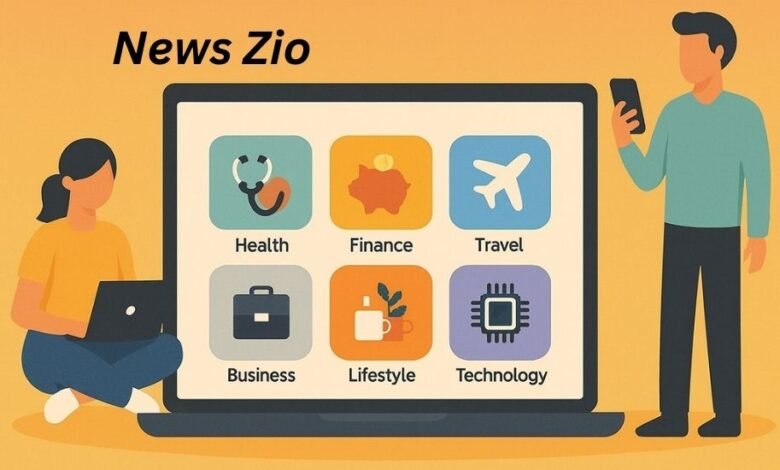
Vinklyx.com is essentially a blog-style content platform that covers a variety of niches. Instead of focusing on one subject, the site publishes articles across different categories like:
-
Business and Finance – covering guides on entrepreneurship, money management, and business processes.
-
Health – articles offering wellness advice, fitness tips, and medical awareness.
-
Travel – posts on destinations, travel hacks, and cultural explorations.
-
Lifestyle and Education – from day-to-day life tips to academic insights.
This multi-niche approach allows Vinklyx to appeal to a wider audience, catering to people with diverse interests. The navigation is straightforward, categories are clearly listed, and posts are published regularly. Many of the posts feature “Alan” as the credited author, suggesting either a single contributor or a content manager representing the platform.
The Rise of Multi-Niche Blogs
Before diving further into the Vinklyx com review, it’s important to understand the appeal of multi-niche blogs. Unlike specialized websites that concentrate solely on one topic, multi-niche platforms allow readers to explore a variety of interests in one place. For modern internet users, this means they don’t have to visit multiple sites to read about health, finance, and travel — one hub can provide it all.
Vinklyx com appears to be capitalizing on this model, presenting itself as a “digital hub” or a “multi-niche content platform.” Several third-party blogs describe it exactly that way, highlighting its role as a place where diverse, frequently updated content is brought together for easy consumption.
What Kind of Content Can You Expect?
Readers visiting Vinklyx com will find a range of article types, including:
-
How-to guides – e.g., steps to improve personal finance or tips for healthy living.
-
Informational explainers – breaking down concepts in business or education.
-
Travel stories and tips – highlighting destinations, travel experiences, and hacks.
-
Listicles and lifestyle blogs – easy-to-read formats for casual browsing.
The writing style is approachable, aiming at clarity rather than technical complexity. Articles are not deeply research-heavy but are designed to be accessible for the average reader. Posts are often updated with dates visible, showing activity from 2023 into 2025.
The Vinklyx com App: Does It Exist?
One of the trending search queries around this platform is the “Vinklyx com app.” With mobile usage dominating internet consumption, it’s natural for readers to wonder whether the site has its own dedicated application.
Here’s the reality:
-
As of September 2025, no official Vinklyx com app is available on Google Play Store or Apple’s App Store.
-
Some blog sites speculate that an app may be released in the future, especially since Vinklyx brands itself as mobile-friendly.
-
Currently, users can access the website via mobile browsers, where the layout is responsive and optimized for small screens.
So, while you may come across references to a Vinklyx app, it’s important to note that there is no verified, official application at this time. Any third-party downloads claiming to be the “Vinklyx com app” should be approached with caution.
Vinklyx com Review: What Others Are Saying
To paint a well-rounded picture, let’s look at how different sources have reviewed or described Vinklyx com:
-
Digital Hub – Several blogs describe it as a digital content hub, emphasizing its range of categories and frequent updates.
-
Multi-niche Platform – Outlets highlight how it publishes across multiple domains like technology, lifestyle, and health.
-
Mobile-First Content – Some reviews stress that the site feels optimized for mobile readers, even if a standalone app doesn’t exist yet.
-
SEO-Style Summaries – A large portion of external “reviews” are essentially blog explainers rather than firsthand experiences. They summarize what Vinklyx is rather than offering user-driven evaluations.
In short, most coverage of Vinklyx com review is descriptive rather than investigative. Instead of detailed performance or reliability assessments, reviews mainly position Vinklyx as a growing blog hub.
Strengths of Vinklyx com
From analyzing the platform and external reviews, a few strengths stand out:
-
Diverse Topics: Great for readers who enjoy browsing multiple subjects.
-
Simple Navigation: Easy to find categories without clutter.
-
Regular Updates: Posts published across 2023–2025 suggest consistency.
-
Author Branding: Having a visible byline (“Alan”) adds a human touch.
-
Mobile-Responsive Design: Even without an app, the site is optimized for phones and tablets.
Weaknesses or Limitations
Like any new or growing platform, Vinklyx com has some limitations:
-
No Official App: The lack of a verified app may disappoint readers searching specifically for mobile convenience.
-
Shallow Reviews: Many articles online about Vinklyx com are promotional summaries rather than critical reviews, making it harder to find authentic user experiences.
-
Transparency: Information about who runs the platform, its ownership, and editorial standards is limited.
Is Vinklyx com Safe to Use?
Some readers also wonder about the safety and legitimacy of emerging websites. Vinklyx com uses HTTPS (secure protocol), which is a basic safety indicator. That said, general online safety practices always apply:
-
Avoid sharing personal or sensitive data unless absolutely necessary.
-
Check for transparency in ownership and contact details.
-
Rely on official sources if any mobile apps or downloads are advertised in the future.
For now, Vinklyx com appears to be a straightforward content hub rather than a risky platform, but always approach new sites with cautious optimism.
Future Potential
If Vinklyx continues to grow, we may see:
-
A dedicated Vinklyx com app in the future, providing easier mobile access.
-
Expansion into multimedia formats (videos, podcasts).
-
Stronger branding and author diversification beyond one byline.
-
More in-depth articles or collaborations with experts to add credibility.
Final Thoughts on Vinklyx com
After exploring the platform and external commentary, the overall Vinklyx com review can be summarized as follows:
-
It is a multi-niche blog platform offering content across health, business, finance, travel, and lifestyle.
-
Reviews available online are mostly descriptive, positioning it as a digital hub rather than providing critical evaluations.
-
The Vinklyx com app does not exist yet, despite speculation and user curiosity.
-
The platform shows consistency in publishing, with activity spanning 2023 to 2025.
-
Its main strengths lie in variety, simplicity, and mobile responsiveness.
For readers who enjoy exploring multi-topic blogs, Vinklyx com is worth visiting. For those expecting a polished app or investigative reviews, the platform still has room to grow.
Mention of News Zio
If you’re interested in exploring more tech and blog-related insights, don’t forget to check out News Zio, where we regularly analyze emerging platforms like Vinklyx and provide readers with in-depth breakdowns.
For more information visit News Zio .